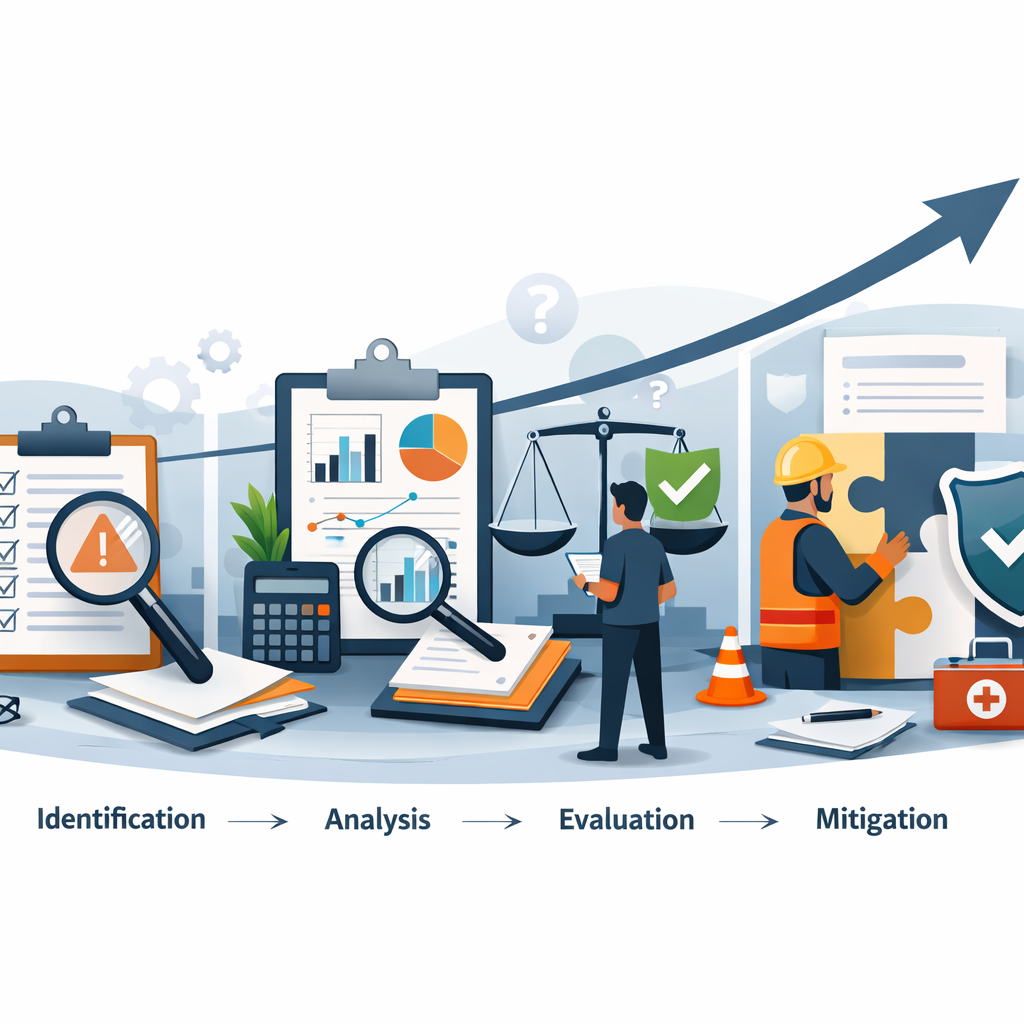
Risk Assessment Steps Every Employer Should Follow
Every employer is responsible for creating a safe workplace. Knowing the correct risk assessment steps is essential to prevent injuries, reduce liabilities, and comply with regulations. This step-by-step guide walks you through the practical actions, examples, and templates you can use to complete effective risk assessments that lead to real improvements in safety and operational resilience.
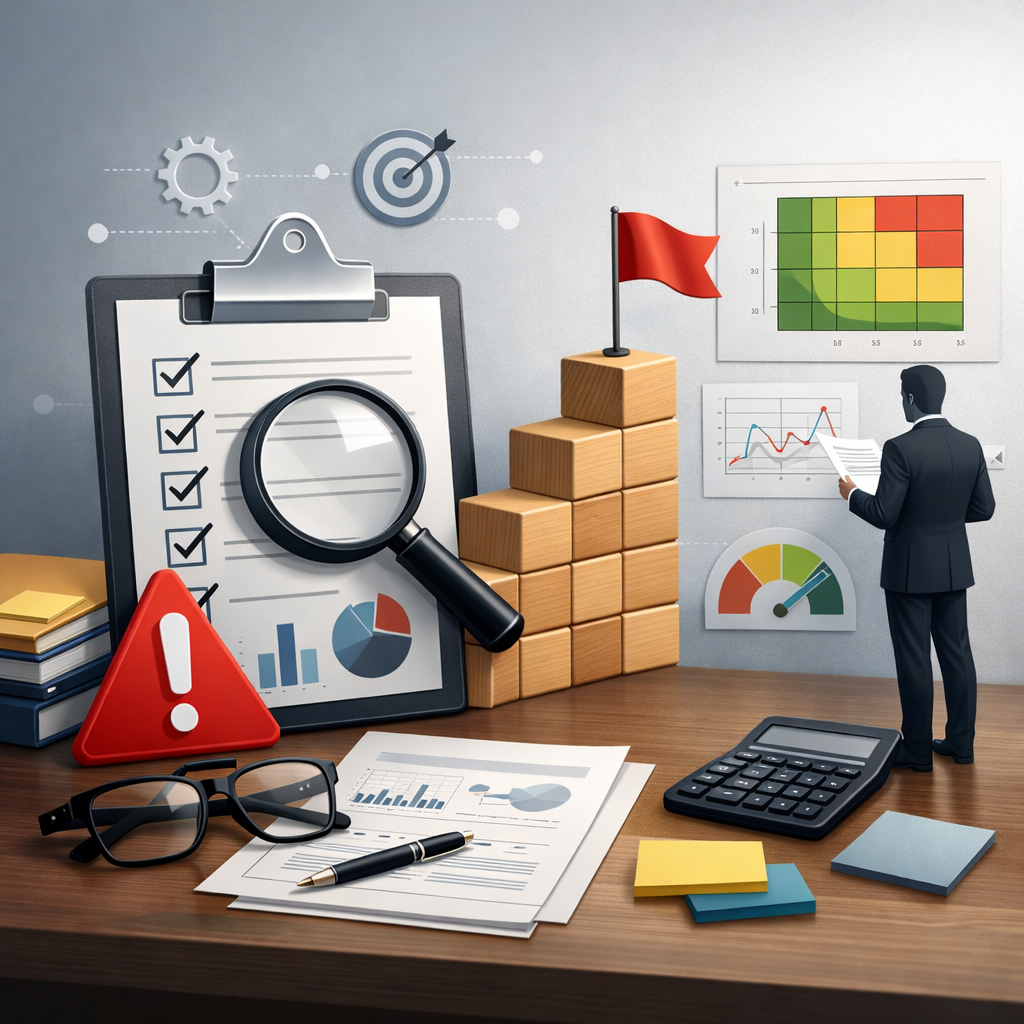
Step 1: Prepare and Plan Your Risk Assessment
Start by defining the scope and objectives of your risk assessment. Decide which area, process, or activity you will assess, identify legal or contractual obligations, and set a realistic timeline. Assign responsibilities to a small team that includes line managers, health and safety representatives, and, where appropriate, employee volunteers. Preparation also includes gathering existing documentation—incident logs, maintenance records, previous assessments—and establishing communication channels so staff know why you are assessing and how they can contribute.
Practical example
For example, if you’re assessing a warehouse, scope might include loading docks, storage racking, and forklift operations. Assign a supervisor to lead the assessment, a safety rep to record findings, and ensure the shift schedule allows observation during peak hours. Having clear scope and roles keeps the assessment focused and efficient.
Step 2: Identify Hazards Thoroughly
Identifying hazards is both systematic and observational. Walk the workplace, talk to employees, examine equipment, and review work procedures. Use checklists tailored to your industry to make sure you don’t miss common hazards like slips, trips, manual handling, electricity, chemical exposures, and machinery guarding. Consider both routine and non-routine activities—maintenance, cleaning, and emergency responses often reveal hidden risks that daily operations don’t.
Tools to assist
Useful tools include hazard checklists, job safety analysis (JSA) forms, and simple mobile apps for photo documentation. Ask frontline workers specific questions about near-misses and what tasks feel most hazardous. Recording photographs, timestamps, and witness notes improves the transparency and defensibility of your assessment.
Step 3: Evaluate and Prioritize Risks
Once hazards are listed, evaluate the likelihood and severity of potential harm. Use a consistent, simple scoring matrix—for example, 1–5 for likelihood and 1–5 for severity—and multiply scores to produce a risk rating. Prioritize risks with the highest scores for immediate action. Consider who might be harmed (employees, contractors, visitors) and how—this helps you focus resources where they will prevent the most harm.
When evaluating, account for existing controls and their effectiveness. A hazard with a high likelihood but strong, reliable controls may receive a lower priority than one with inadequate safeguards. Document assumptions, data sources, and any differences in exposure across shifts or job roles so prioritization can be reviewed objectively.
Step 4: Implement Controls and Monitor Their Effectiveness
Apply the hierarchy of controls: eliminate the hazard where possible, substitute with a safer alternative, implement engineering controls (guards, ventilation), add administrative controls (procedures, training), and finally provide personal protective equipment (PPE). Practical implementation means creating an action plan with clear owners, deadlines, and budgets. Communicate changes to all affected staff and provide the necessary training before returning to normal operations.
- Examples of controls: redesigning a workstation to remove a pinch point (elimination/engineering), changing a chemical to a less hazardous alternative (substitution), introducing scheduled breaks to reduce fatigue (administrative), and providing gloves and eye protection (PPE).
Monitoring is critical. Use inspections, audits, and safety observations to confirm controls are being used and have the intended effect. Track leading indicators (training completion, near-miss reports) and lagging indicators (incident rates) to evaluate whether your controls reduce risk over time.
Step 5: Record, Review, and Improve
Keep clear records of the risk assessment process: the hazards identified, risk ratings, chosen controls, action owners, and review dates. Documentation demonstrates due diligence and supports continuous improvement. Establish a schedule for formal reviews—annually for many settings, sooner after changes in process, staff, or following an incident. Reviews should test whether controls remain effective and whether new hazards have emerged.
Continuous improvement in practice
After a review, update the assessment and circulate lessons learned. For example, if a near-miss occurred during night shifts because lighting was inadequate, revise the assessment to include lighting surveys and fund improvements. Regularly involve workers in reviews—frontline input often reveals practical barriers to implementation that management alone may miss.
Practical Tips and Common Pitfalls
Effective risk assessments balance thoroughness with practicality. Avoid overcomplicating the process: aim for clear, proportionate controls rather than exhaustive paperwork. Here are a few practical tips to keep your assessments useful and actionable:
- Use simple scoring systems and consistent language so everyone understands priorities.
- Involve the people who do the work—ownership increases compliance and makes controls more realistic.
- Focus on high-risk activities first; don’t let low-priority tasks consume disproportionate resources.
- Keep records concise and accessible; digital logs with photos and timestamps improve follow-up.
- Review after changes: new equipment, processes, staff, or incidents trigger reassessment.
Common pitfalls include treating the assessment as a one-off compliance exercise, failing to follow through on action items, and not revisiting controls after changes. Combining a culture of open reporting with clear accountability closes the loop and turns risk assessment steps into sustained safety improvement.
Conclusion: Make Risk Assessment Steps Part of Everyday Management
Mastering the risk assessment steps gives employers a predictable, repeatable way to reduce harm and create safer workplaces. Start by preparing and scoping the assessment, identify hazards comprehensively, evaluate and prioritize risks, implement and monitor controls, and keep records with scheduled reviews. When these steps are embedded into routine management—backed by worker involvement, clear ownership, and continuous review—they move safety from paperwork into practice. Use this guide as a checklist to ensure your risk assessment steps deliver real, measurable improvements in workplace safety.